


2 Powerful Positions: Strong BRICS Support for Cuba Against US Blockade
Cuba thanks BRICS members for their firm BRICS support for Cuba and rejection of unilateral sanctions.
May 17, 2026 Hour: 10:23 am
🔗 Comparte este artículo
Cuba expressed sincere gratitude to BRICS for condemning unilateral US sanctions and the economic blockade. The bloc also reaffirmed Latin America and the Caribbean as a Zone of Peace during its Foreign Ministers’ Meeting in India.
Related: Cuba to Prioritize Essential Travel Amid Fuel Adjustment Strategy Due to U.S. Fuel Blockade
Cuba Thanks BRICS for Strong Solidarity Statement
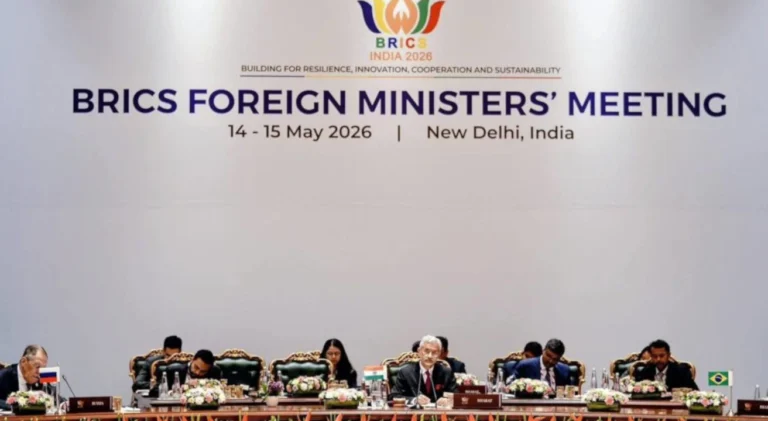
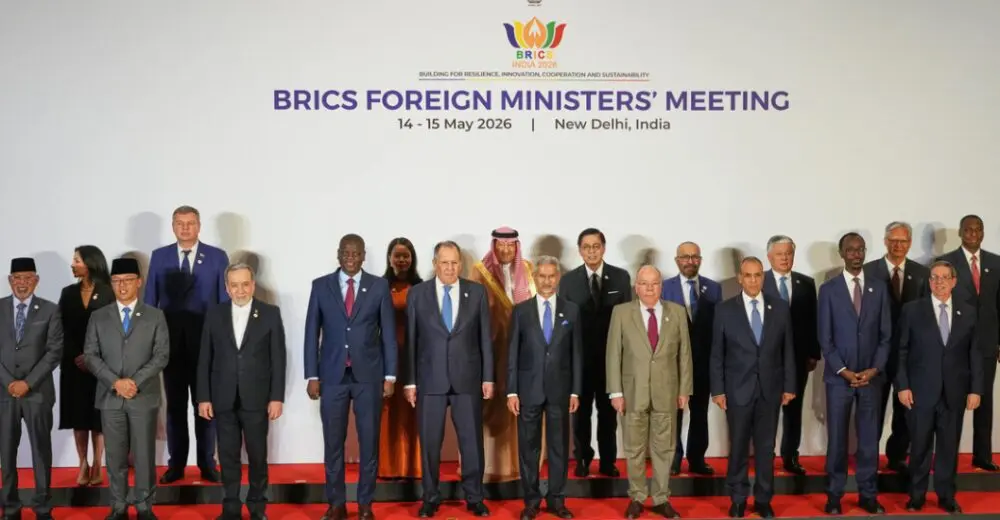
Havana, May 17, 2026 — The Cuban government expressed sincere gratitude to the BRICS countries for their clear condemnation of the US economic blockade and unilateral coercive measures against the island. The statements were made during the 18th BRICS Foreign Ministers’ Meeting held in New Delhi, India.
In a detailed social media statement, Cuba’s Ministry of Foreign Affairs highlighted Paragraph 19 of the Chair’s Declaration under India’s pro tempore presidency. The text strongly rejects unilateral coercive measures, particularly secondary sanctions with extraterritorial reach, such as those in the recent US Executive Order of May 1.
Cuba also welcomed Paragraph 32, which expresses concern over the escalation of aggressive US policies. The island applauded the bloc’s firm backing of Latin America and the Caribbean as a Zone of Peace.
This BRICS support for Cuba reinforces growing international rejection of the longstanding US blockade, now intensified with new energy restrictions and secondary sanctions.
Key Elements of the BRICS Declaration
The BRICS Foreign Ministers emphasized that unilateral sanctions not authorized by the UN Security Council violate international law. They stressed the negative humanitarian impact of such measures on development, health, food security, and vulnerable populations.
The group reaffirmed its commitment to multilateralism and called for a profound reform of global governance institutions, including the United Nations and the Bretton Woods system, to increase participation of developing countries and the Global South.
On regional issues, the declaration addressed the situation in the Middle East, reaffirming support for a two-State solution in Palestine based on 1967 borders with East Jerusalem as capital. It demanded an immediate ceasefire in Gaza and full humanitarian access.
Official Chair’s Statement from the BRICS Foreign Ministers’ Meeting: mea.gov.in.
BRICS Support for Cuba Strengthens Multipolar Diplomacy
The recent BRICS support for Cuba demonstrates the bloc’s consistent opposition to unilateralism and extraterritorial sanctions. Cuba views this position as an important diplomatic victory in its long struggle against the economic blockade.
This solidarity aligns with BRICS’ broader vision of a more equitable and multipolar international order. The group continues to advocate for respect of national sovereignty and non-interference in internal affairs of states.
Cuban officials have described the BRICS statements as timely and significant, especially following recent US executive actions that tightened the blockade and imposed new energy restrictions on the island.
Cuban Foreign Ministry reaction to BRICS meeting: cubaminrex.cu.
Geopolitical Context and Broader Regional Implications
The BRICS support for Cuba emerges at a time of heightened tensions in the Americas and shifting global power dynamics. As the United States intensifies pressure on progressive governments in Latin America and the Caribbean through sanctions and other coercive tools, BRICS nations are positioning themselves as defenders of multilateralism and international law.
For the region, this support reinforces the principle of Latin America and the Caribbean as a Zone of Peace, a concept endorsed by CELAC and increasingly backed by Global South countries. It provides diplomatic breathing room for nations facing external interference and encourages greater South-South cooperation in trade, finance, and technology.
Globally, the BRICS stance contributes to growing momentum against unilateral sanctions. By challenging the extraterritorial application of US measures, the bloc highlights the need for reformed global governance that better reflects current realities and gives more voice to developing nations.
This development may encourage other countries and regional blocs to adopt firmer positions against coercive diplomacy. It also strengthens the narrative of an emerging multipolar world where alternative platforms for cooperation exist outside traditional Western-led institutions. For Cuba, sustained BRICS support for Cuba offers not only political backing but also potential avenues for economic resilience and diversified international partnerships.
Author: JMVR
Source: t.me/minrexcuba